Zoo and Wildlife Park Group Bus Trips from Toronto: Safari Days Done Right
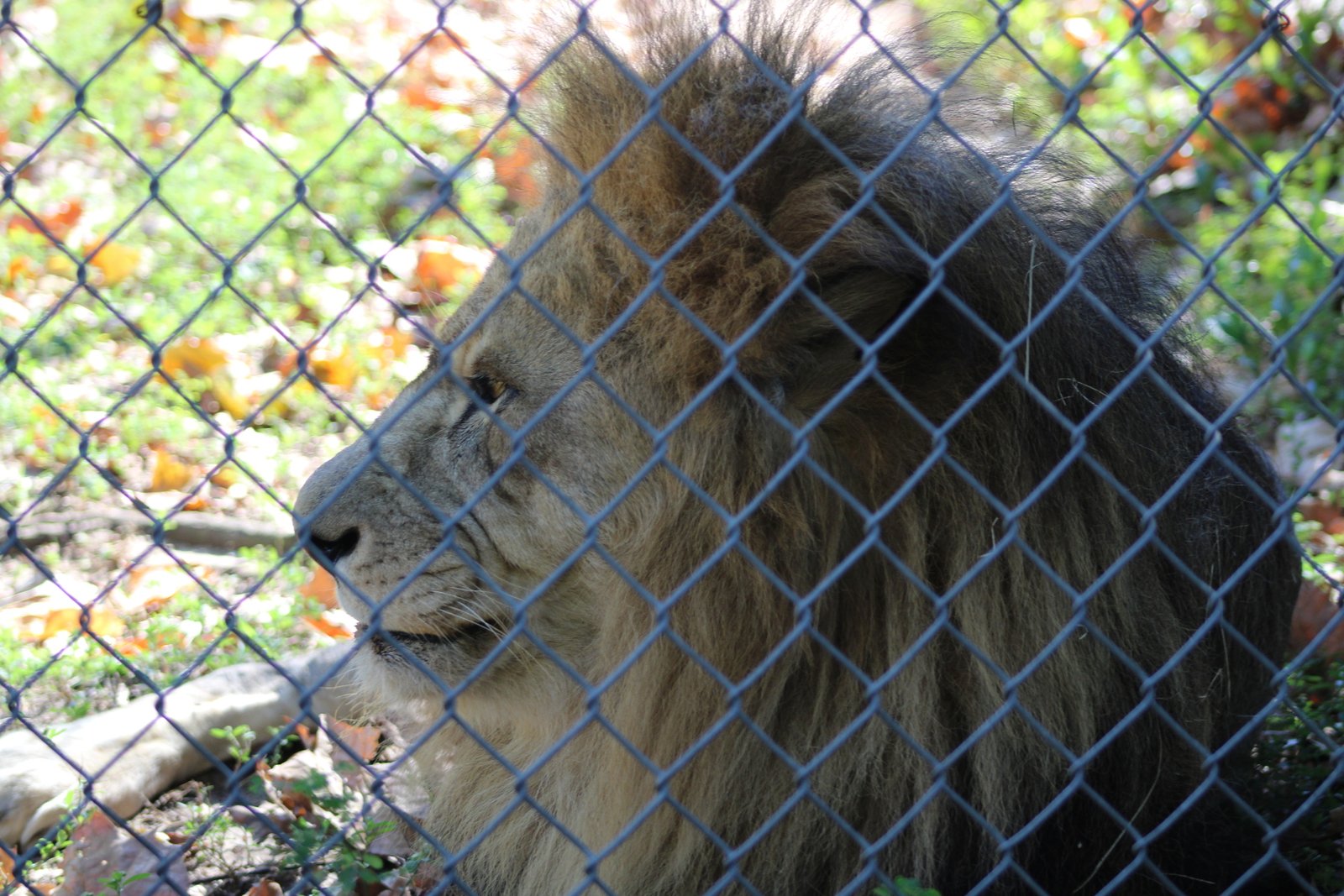
The Most Reliable Group Day Out in Ontario
Animal attractions occupy a rare position in group planning: they work for almost every age, they are educational without feeling like a lesson, and they are weather-tolerant in a way that most outdoor trips are not. A rainy afternoon at a beach is a lost day. A rainy afternoon at the zoo is a slightly quieter day with indoor pavilions.
The Toronto Zoo in Scarborough, the drive-through wildlife parks west of the city near Hamilton, and the smaller regional animal farms and conservation centres scattered around southern Ontario all draw steady group traffic from schools, camps, daycares, seniors' residences and community organizations. What separates a smooth visit from a difficult one is almost entirely the transport plan.
Why the Parking Lot Is the Real Problem
Large animal attractions sit on big sites with parking lots to match, and those lots are usually a long way from the entrance. A group arriving in six private cars faces the same sequence every time: cars arrive several minutes apart, park in different rows, and the group spends its first twenty-five minutes assembling in an open lot while children get restless and adults get frustrated.
A chartered vehicle removes that entirely. The bus uses the designated group drop-off, which at most large attractions is considerably closer to the gates than general parking. Everyone steps off in one place at one time. Tickets and wristbands are distributed on board during the drive rather than in a windy parking lot. The supervision headcount happens in a controlled space before anyone is near a crowd.
Parking fees also disappear from the budget. At a large attraction that charge is per vehicle, so a group that would otherwise pay for six cars pays for none.
Drive-Through Safari Parks: Ask Before You Book
This deserves its own section because it catches groups out. Wildlife parks with drive-through animal reserves have vehicle rules, and those rules are not the same for every vehicle type. Some sections restrict soft-top vehicles, some restrict vehicles above a certain height, and some parks operate their own tour vehicles for the reserve portion rather than allowing all visiting vehicles through.
What this means practically is that your charter bus may deliver the group to the site and wait while the group takes a park-operated vehicle through the animal sections, rather than driving through itself. That is a perfectly good arrangement, but it changes the timing and it changes what you tell your group. Confirm the park's current policy directly with the park before finalizing your itinerary, and tell your transport operator what you have been told so the vehicle and the waiting time are planned correctly.
Structuring the Day for Schools and Camps
Animal attractions are large, and the walking distances surprise people. The Toronto Zoo in particular covers a substantial site with significant elevation change between sections, and a group of seven-year-olds who have walked the full circuit by noon will be finished for the day by two o'clock.
A few practices that consistently work:
- Choose two or three zones rather than attempting the whole site. Depth beats coverage with young groups.
- Set the lunch location and time before you arrive, and pick a landmark that is easy to find rather than a general area.
- Do the furthest section first while energy is high, and work back toward the gates.
- Write the departure time on something physical. A wristband or ticket card survives a full day; a verbal instruction does not.
- Build in fifteen minutes of buffer before your bus departure. Somebody will be at the gift shop.
Vehicle Choice
A single class or camp group of twenty to thirty is well served by a school bus for a short run or a mini-coach if the drive is longer. A full grade or a large camp of fifty or more fits a full-size coach, with a supervisor assigned per vehicle when running more than one. Smaller family, seniors' or workplace groups of ten to fourteen fit a Sprinter van comfortably.
For seniors' residences and accessible groups, discuss step height, boarding assistance and mobility device storage at the booking stage. Animal attractions involve long walking distances, so many groups pair the bus with rented wheelchairs or scooters on site - worth arranging in advance rather than hoping for availability.
Season and Timing
Late spring is the single busiest period at Ontario animal attractions because school field trips concentrate in May and June. If your dates are flexible, September and early October offer smaller crowds, more active animals in cooler weather, and far easier booking for vehicles. Mid-week visits in any season are calmer than weekends.
When you request a quote, share the destination, the group size and age profile, the intended arrival and departure times, and whether the vehicle should remain on site or return later. Attractions on the edge of the GTA are usually best served by the vehicle staying, since a return trip costs more than the wait.
Related Group Travel Guides
Planning group transport in the GTA? These StarTrans guides go deeper:
- School Bus Rental Toronto: Safe, Licensed Transport for Field Trips
- Summer Camp Bus Rentals in Ontario
- Canada's Wonderland Group Bus Rental
Book This Trip with StarTrans
Tell us the date, the pickup point, the destination and the number of passengers, and we will confirm the right vehicle and give you a clear, all-in price with a professional driver included. StarTrans serves Toronto, Mississauga, Brampton, Markham, Vaughan, Scarborough and the wider GTA. Call +1 416 970 0202 or request a free quote.