Accessible Group Transportation Toronto — Moving Every Member of Your Group
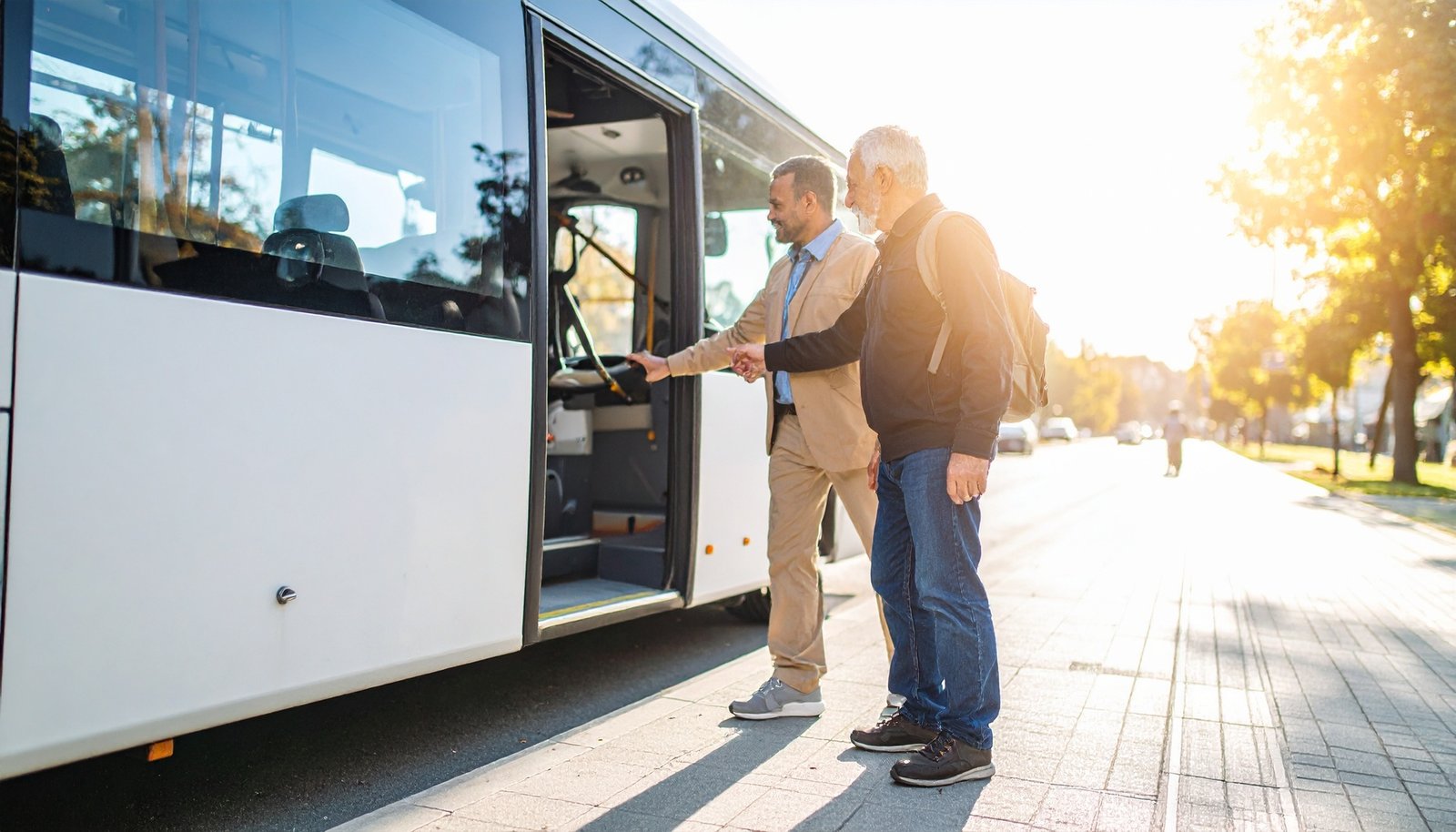
Group Transportation That Actually Includes Everyone
Organizing group travel for a community, organization, or event is complicated enough when everyone in the group has straightforward mobility. When some members use wheelchairs, others have limited mobility, and others are managing chronic conditions that affect how they travel, the transportation planning becomes genuinely complex — and the stakes of getting it wrong are higher.
A group outing from which some members are excluded because the vehicle cannot accommodate their mobility aids is not a group outing. It is a partial outing with a social cost that most organizers feel acutely but sometimes lack the resources to solve. Accessible group transportation is not a niche service or a special accommodation — it is the baseline of what inclusive group travel looks like, and it is something more Toronto organizations are taking seriously as accessibility expectations evolve.
What Accessible Group Transportation Actually Requires
Accessibility in transportation is often described in terms of a single feature — does the vehicle have a wheelchair lift? But genuine accessibility is a more comprehensive picture than that single question suggests.
Vehicle entry is the obvious starting point. Can a person using a power wheelchair board without assistance? Is there a hydraulic lift with adequate capacity, positioned for realistic use rather than nominal compliance? Are the interior dimensions compatible with a standard power chair or scooter, not just a manually folded transport chair?
Seating and restraint systems matter once inside. Wheelchair tie-down anchors that actually secure the chair for highway travel — not just slow residential streets — and a lap-and-shoulder seatbelt system that works with the chair's geometry are required for genuine safety, not just regulatory compliance.
The trip plan itself matters as much as the vehicle. Are the pickup and drop-off locations accessible — ground-level boarding, no curb cuts needed, clear path to the vehicle? Are the destination and any intermediate stops accessible? Does the schedule allow for the additional boarding and alighting time that mobility equipment requires, without creating the sense that the accessible members are slowing the group down?
And the driver's experience with passengers using mobility aids is the human element that makes everything else work. A driver who knows how to operate the lift, secure the wheelchair correctly, communicate clearly with passengers who have different communication needs, and pace the day to suit a mixed-mobility group is the difference between accessible transportation on paper and accessible transportation in practice.
Groups That Need Accessible Transportation Most
Disability support organizations and day programs. Organizations that provide programming for adults with physical or developmental disabilities regularly need group transportation for community outings, employment support visits, recreational programming, and therapeutic excursions. These groups have the most specific and consistent transportation needs, and they benefit most from a regular transportation partner who understands their requirements and builds them into every trip.
Acquired brain injury and rehabilitation groups. People in community-based ABI programs often need transportation to recreational activities, social groups, and community settings as part of their rehabilitation and community reintegration. These trips require drivers who understand how to support passengers with a range of cognitive and physical presentations without being intrusive or condescending.
Seniors groups with mixed mobility. Any seniors program or retirement community outing will include residents with a range of mobility levels. Planning transportation that works for the fully mobile 75-year-old and the walker-using 88-year-old and the wheelchair user who wants to come along requires vehicles and planning that account for all three, not just the most common case.
Inclusive event and festival groups. Community events, faith gatherings, cultural celebrations, and special occasions that include participants with disabilities need transportation planning that does not inadvertently exclude. A community Eid celebration or a culturally specific festival that brings together people of all ages and abilities needs transportation that lives up to the inclusive values of the event itself.
Planning an Accessible Group Trip
The single most important thing to do when planning accessible group transportation is to have the detailed accessibility conversation early — not after the vehicle is booked and the destination is confirmed. The number of wheelchair users, their chair types (manual vs. power, standard vs. heavy-duty), whether any passengers have specific communication or support needs, and the destination's accessibility all need to be understood before the vehicle selection is made.
This is information that StarTrans asks for specifically when a booking indicates accessibility requirements. We are not trying to complicate the booking process — we are trying to ensure that the vehicle and the plan actually serve everyone in the group, not just the majority. An accessible charter that leaves a wheelchair user unable to board because the lift capacity was not checked is not accessibility.
The destination planning is equally important. For community outings, confirm that the venue has step-free entry, accessible washrooms, and enough space for mobility devices. For field trips and cultural outings, call the venue in advance and confirm the accessible entry route — many Toronto cultural venues have accessible entrances that are not the obvious front door, and knowing this in advance prevents the frustrating experience of arriving at a curb that the group cannot navigate.
The Timing Reality
Accessible group boarding takes longer than standard boarding. This is not a problem to be apologized for — it is a fact of group travel that includes mobility aids, and any transportation plan that does not account for it creates artificial time pressure that makes the trip stressful rather than enjoyable. Build fifteen to twenty minutes of additional time at every boarding and alighting point. Communicate this honestly to the group so nobody feels they are causing a delay. The pace of the day should accommodate the group as it actually is, not as it would be if everyone had the same mobility profile.
Booking Accessible Group Transportation
Contact StarTrans with your group size, the number and types of mobility aids in your group, your destination, and any specific requirements. We will identify the right vehicle configuration, confirm its accessibility features against your actual needs, and plan the trip in a way that works for everyone traveling. Accessible transportation is not a separate category of service — it is how group transportation should work for every group that includes people with different mobility needs.
Related Group Travel Guides
Planning travel for a mixed-mobility group? Explore more StarTrans guides:
- Senior Group Travel: Accessible Bus Rentals
- Medical and Hospital Group Visit Transport
- Retirement Home Monthly Activity Bus
StarTrans provides accessible group transport across Toronto, Mississauga, Brampton, Markham, Vaughan, Scarborough and the wider GTA, with accessible coaches and vans and a professional driver on every booking. Call +1 416 970 0202 or request a free quote.